Data-Driven Insights for Effective HCP Targeting
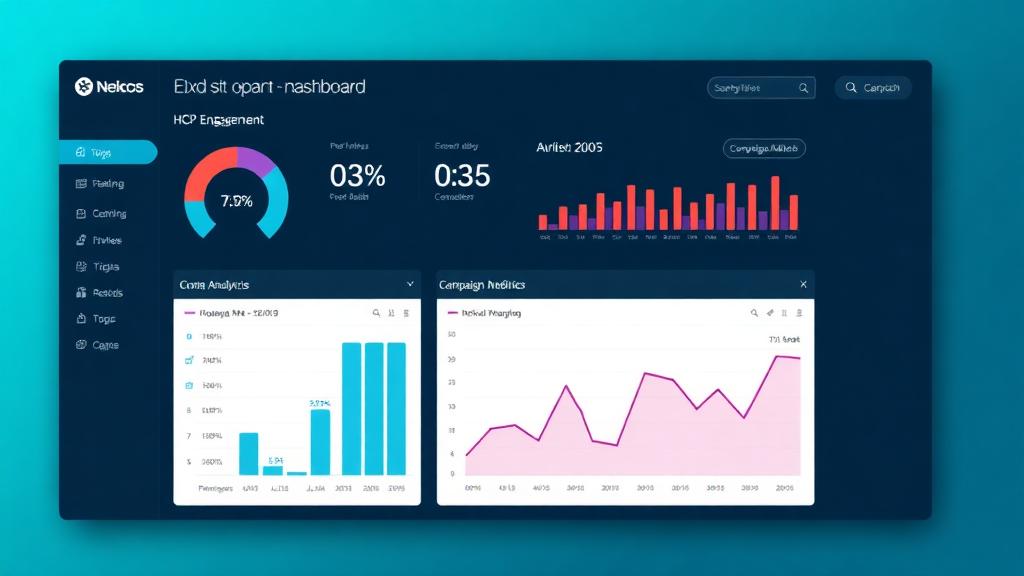
In an era where healthcare professionals are inundated with information, precision targeting has become the difference between meaningful engagement and message fatigue. Data-driven insights transform HCP marketing from a broad-brush approach to a surgical strike of relevance.
The Evolution of HCP Targeting
Traditional HCP targeting relied heavily on basic demographic data—specialty, geography, and practice size. While these factors remain important, modern targeting leverages behavioral analytics, engagement patterns, and predictive modeling to create far more sophisticated and effective campaigns.
The shift toward data-driven targeting reflects broader changes in healthcare professional behavior. HCPs now consume information across multiple channels, have varying content preferences, and make decisions based on complex criteria that basic demographics simply cannot capture.
Essential Data Sources for HCP Targeting
Behavioral Engagement Data
Understanding how HCPs interact with content provides crucial insights into their interests and preferences:
- Content consumption patterns across different topics and formats
- Email engagement rates and click-through behaviors
- Website navigation paths and time spent on different sections
- Event attendance and session participation data
- Social media interactions and content sharing patterns
Professional Development Indicators
Career stage and professional development needs significantly influence content preferences:
- Years in practice and career progression indicators
- Continuing education participation and certification status
- Research involvement and publication history
- Leadership roles in professional organizations
- Conference speaking and presentation activities
Practice Environment Context
The context in which HCPs practice profoundly influences their information needs:
- Practice setting (hospital, clinic, academic medical center)
- Patient population characteristics and volume
- Technology adoption and digital maturity levels
- Formulary restrictions and institutional protocols
- Geographic and cultural considerations
Advanced Analytics Techniques
Predictive Modeling
Machine learning algorithms can predict HCP behavior and preferences based on historical data:
- Likelihood to engage with specific content types
- Optimal timing for different communication channels
- Propensity to attend events or participate in programs
- Preference for peer-to-peer versus expert-led content
Clustering and Segmentation
Advanced clustering techniques identify natural groupings of HCPs with similar characteristics:
- Behavioral clusters based on engagement patterns
- Content preference segments
- Communication channel affinity groups
- Professional development stage cohorts
Journey Mapping and Attribution
Understanding the complete HCP journey enables more effective touchpoint optimization:
- Multi-touch attribution across channels and campaigns
- Journey stage identification and progression modeling
- Content effectiveness at different journey points
- Influence network analysis and peer interaction mapping
Implementing Data-Driven Targeting
Technology Infrastructure
Effective data-driven targeting requires robust technology infrastructure:
- Customer data platforms (CDPs) for unified data management
- Marketing automation systems with advanced segmentation capabilities
- Analytics platforms for real-time insights and optimization
- API integrations for seamless data flow across systems
Data Quality and Governance
High-quality data is the foundation of effective targeting:
- Regular data cleansing and validation processes
- Consistent data standards and definitions across systems
- Privacy compliance and consent management
- Data security and access control protocols
Measuring Targeting Effectiveness
Success in data-driven targeting requires comprehensive measurement approaches:
Engagement Quality Metrics
- Time spent with content and depth of engagement
- Content sharing and recommendation behaviors
- Progressive profiling and preference updates
- Cross-channel engagement consistency
Business Impact Indicators
- Lead quality scores and conversion rates
- Campaign efficiency and cost-per-engagement improvements
- Long-term relationship development metrics
- Brand perception and awareness changes
Privacy and Ethical Considerations
Data-driven targeting must balance effectiveness with privacy and ethical considerations:
- Transparent data collection and usage policies
- Meaningful consent and opt-out mechanisms
- Data minimization and purpose limitation principles
- Regular privacy impact assessments
"The most effective HCP targeting doesn't feel like targeting at all—it feels like receiving exactly the right information at exactly the right time to support better patient care."
As data analytics capabilities continue to advance, the opportunity for more precise and effective HCP targeting will only grow. Organizations that invest in building robust data-driven targeting capabilities today will be best positioned to create meaningful connections with healthcare professionals and drive better outcomes for patients tomorrow.

Karim Nassar
Creative Director
Karim Nassar leads creative strategy at MME Group, specializing in innovative marketing approaches for healthcare professionals and developing cutting-edge engagement strategies across the GCC region.